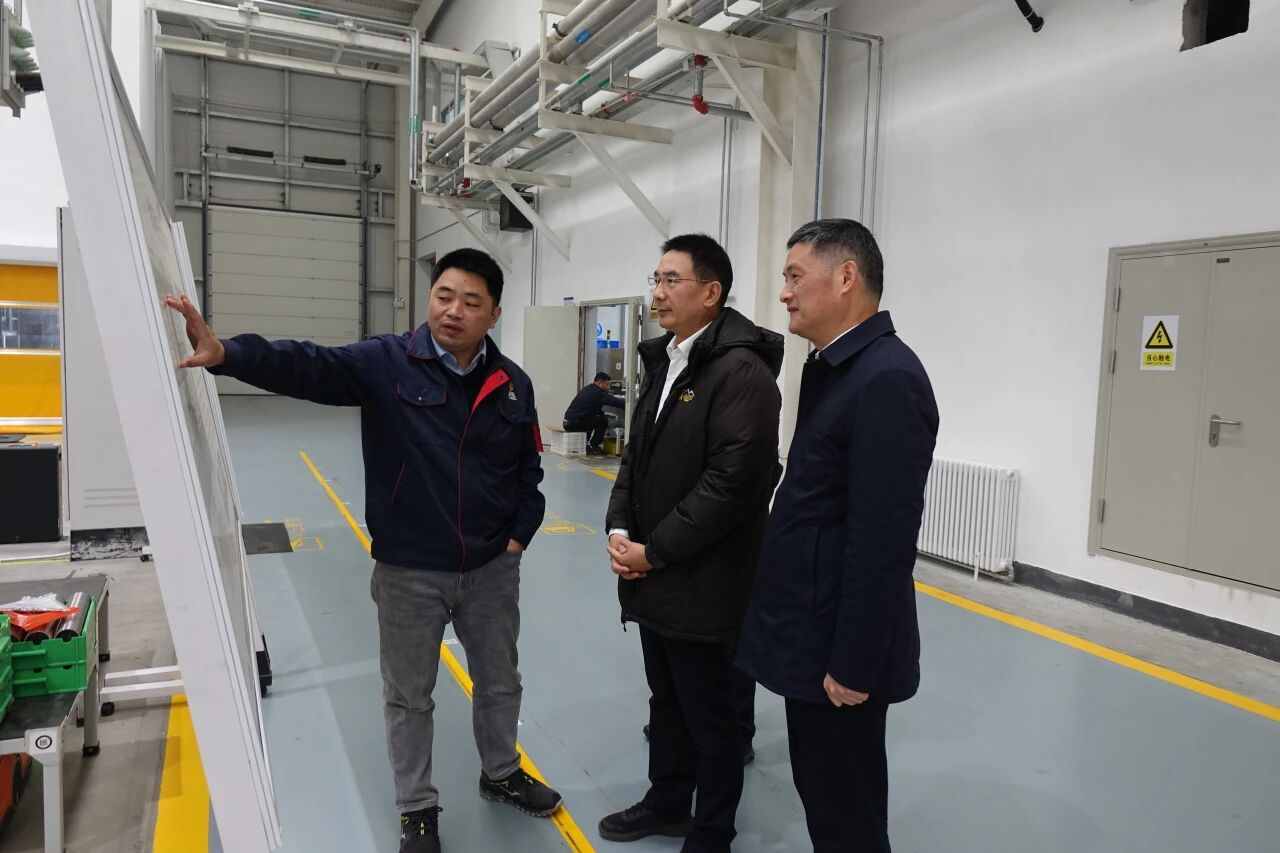
On the morning of December 9th, Ji Xuecheng, Chairman of Machinery industry planning institute Co., Ltd., and his delegation visited Luoyang Bearing Research Institute Co., Ltd. to conduct a special survey on the current status of digital transformation during the "14th Five-Year Plan" period and the ideas for intelligent transformation during the "15th Five-Year Plan" period. They also discussed the special plan for intelligent transformation of the China National Machinery Industry Corporation during the "15th Five-Year Plan" period. Chen Bin, Deputy General Manager of Sinomach Precision Industry Group Co., Ltd., and Chen Enhou, Party Secretary and Chairman of Luoyang Bearing Research Institute Co., Ltd., and Li Wenchao, Deputy General Manager and Chief Engineer, participated in the research visit.
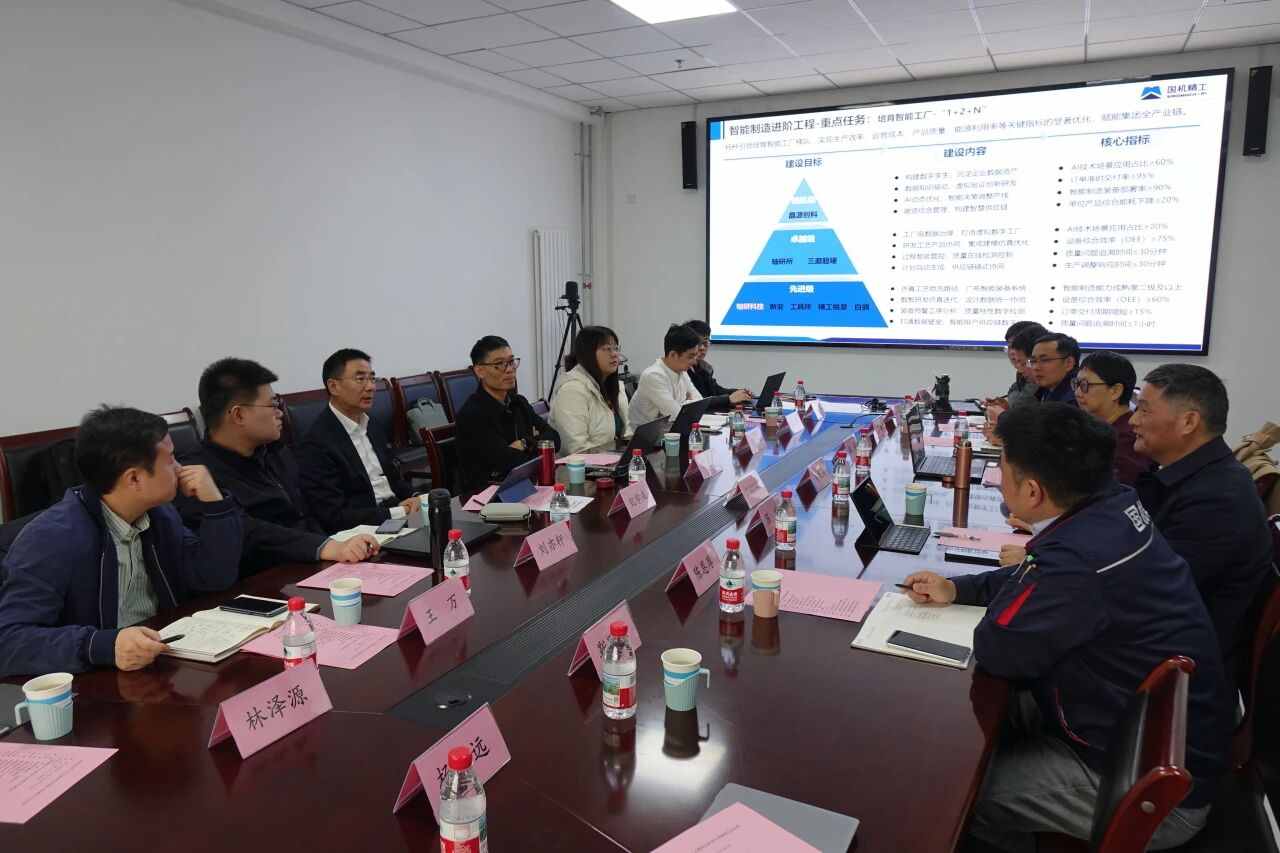
At the meeting, Information Technology Center of Sinomach Precision Industry Group Co., Ltd. presented a special report on the "15th Five-Year Plan" for digital and intelligent transformation. The company also reported on the achievements of its digital construction during the "14th Five-Year Plan" period and its development plan for the "15th Five-Year Plan," which received high praise from the research team.
During the Q&A session, Chen Enhou systematically introduced the company's development history and core strengths, combining them with industry development trends. He stated that the company will adhere to the core concept of "data-driven value" in its digital and intelligent development, guided by its digital development strategy. Based on accurately aligning with the overall plans of its superiors, the company will develop and implement a digital construction path tailored to its own business characteristics and development stage.
Chen Bin stated that digital transformation initiatives must be driven by top leadership, employing a scientific implementation model of "pilot first, then widespread adoption," to ensure that resource allocation is closely aligned with actual business operations. He also analyzed the challenges involved in organizational optimization and data governance within subsidiaries.
Ji Xuecheng emphasized that the essence of digitalization is the reshaping of corporate culture, and cultivating a deeply digital culture will become an important hallmark of future enterprises. He put forward clear requirements for digital transformation, emphasizing that it must be closely aligned with the development strategy, focus on core business scenarios, and be driven by value creation to promote organizational and mindset changes. The results of data analysis should accurately reflect the effectiveness of the transformation, and the approach of "digitalization for the sake of digitalization" must be strictly avoided.